

Australian front yard landscaping ideas focus on selecting climate-appropriate native and adapted plants combined with quality soil preparation, strategic mulching, and defining hardscape elements. Focusing on low-maintenance, drought-tolerant species suited to your local conditions ensures a beautiful, welcoming entrance that thrives year-round.
Transforming your property with effective landscaping ideas for front yards in Australia starts with understanding what works in our unique climate. Consequently, Australian homeowners are discovering that thoughtful plant selection combined with quality materials creates welcoming entrances that reflect personal style while working harmoniously with local conditions. From selecting plants that thrive in Sydney’s weather to choosing materials that define and enhance garden beds, every decision contributes to a landscape that looks great and performs reliably.
Planning Your Front Yard Landscaping Design
Before selecting plants or materials, assess your front yard’s existing conditions. Start by observing how sunlight moves across the space throughout the day. North-facing areas typically receive the most intense sun, while southern exposures remain shadier and cooler. These light patterns directly influence which plants will thrive in each location.

Additionally, consider your soil type and drainage characteristics. Western Sydney areas often feature heavy clay soils that retain moisture and drain slowly, whereas other locations have sandy soils that dry quickly. Understanding your existing soil helps determine whether amendments are needed and which plants naturally suit your conditions.
Think about the practical functions your front yard must serve. Pathways need to connect the driveway and street to your front door safely. Garden beds should frame the house without obscuring windows or creating maintenance challenges. Furthermore, consider sight lines from inside your home—you’ll want to enjoy garden views from living spaces while maintaining privacy where needed.
Climate zones also play a crucial role in plant selection. Sydney’s temperate climate allows diverse plant choices, yet microclimates within your yard create distinct growing conditions. Areas near walls or paving absorb and radiate heat, creating warmer spots suitable for heat-loving plants. Conversely, shaded corners beneath eaves or established trees support different species that prefer cooler conditions.
Australian Front Yard Landscaping Ideas: Choosing the Right Plants
Native Plants for Low Maintenance Front Yards
Australian native plants offer compelling advantages for front yard landscaping ideas. These species evolved to thrive in local conditions, requiring less water once established and generally needing fewer nutrients than exotic alternatives. Native plants also support local wildlife, providing food and habitat for birds, butterflies, and beneficial insects.
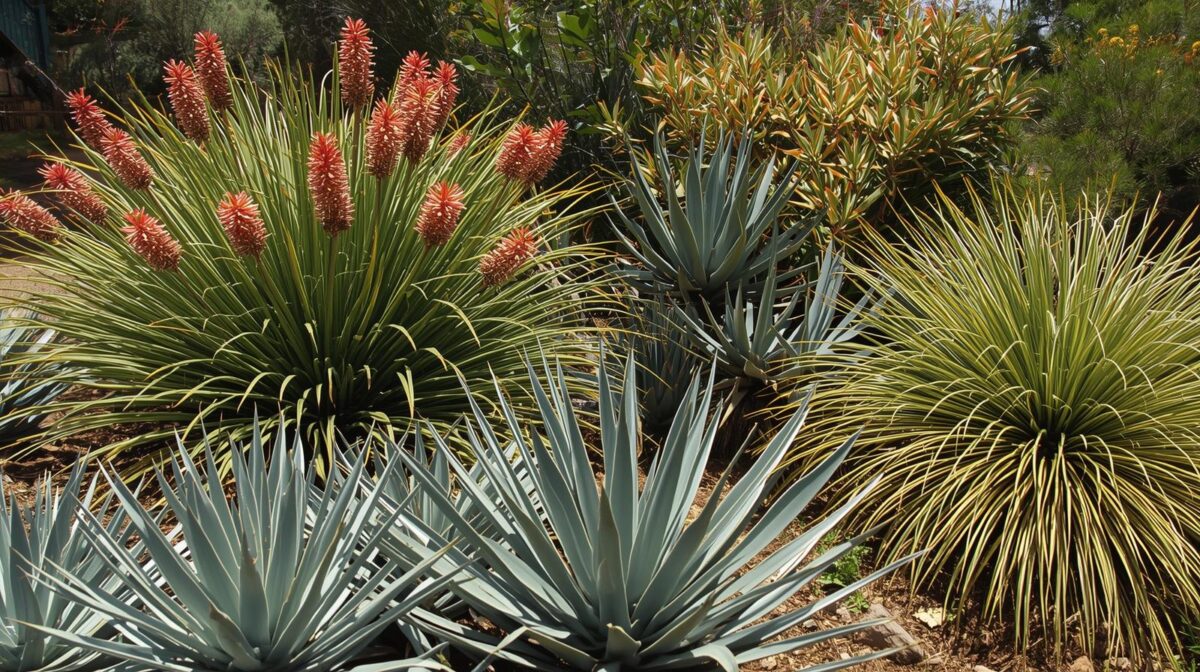
For sunny positions, consider plants like Grevillea with their striking flowers and varied growth habits. Westringia, commonly called native rosemary, forms neat mounding shrubs perfect for garden borders. Lomandra varieties provide strappy foliage that adds texture and movement, while Kangaroo Paw delivers bold, colourful flowers on low-growing clumps.
In shadier spots, try Hardenbergia, a climbing native with purple spring flowers, or Correa species that bloom during winter months when colour is scarce. Dianella varieties offer grass-like foliage with delicate blue flowers, adapting well to both sun and partial shade.
Seasonal Interest Plants for Year-Round Appeal
Creating year-round appeal requires planning for seasonal changes. Spring brings abundant flowering opportunities with options like native daisies, which form colourful groundcover carpets. Summer features bold architectural plants such as smaller eucalyptus varieties that provide structure and shade.

Autumn showcases plants with interesting seed heads or those that change foliage colour. Winter gardens benefit from evergreen natives that maintain structure and from species like Correa and Grevillea that bloom during cooler months, providing colour when many other plants rest.
Drought-Tolerant Front Yard Landscaping Options
Water-wise plants make practical sense for Australian front yards, especially during summer restrictions. Besides natives, Mediterranean plants like lavender, rosemary, and sage thrive in similar conditions. These aromatic options pair beautifully with Australian species, sharing similar water and drainage requirements.
Succulents and hardy groundcovers such as Myoporum parvifolium create low-growing layers that suppress weeds while requiring minimal water. These tough plants excel in challenging positions like nature strips and sloped areas where irrigation proves difficult.
Front Yard Landscaping Ideas: Creating Structure with Hardscaping
Hardscaping elements provide the bones of your front yard design. Pathways guide movement through the space while creating visual flow. Materials like natural stone pavers, concrete stepping stones, or decomposed granite each offer distinct aesthetics and practical benefits. Natural stone provides timeless appeal and excellent durability, while decomposed granite creates softer, more informal pathways that suit cottage-style gardens.

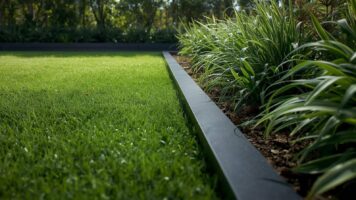
Edging defines garden beds clearly, preventing lawn encroachment and creating clean lines that enhance any planting style. Steel garden edging offers sleek, contemporary definition that works particularly well with modern architecture. Traditional options include brick pavers set on edge or larger garden edge blocks that create more substantial borders.
Furthermore, consider incorporating decorative elements like pebbles or river stones in strategic locations. These materials reduce bare soil exposure, suppress weeds, and add textural interest. White pebbles brighten shaded areas and create contrast against dark foliage, while warmer tones complement native plantings and earthy colour schemes.
Retaining walls or raised garden beds solve drainage challenges while adding vertical interest. Small walls built from stacked blocks or natural stone create planting opportunities on sloped properties and improve accessibility for garden maintenance.
Preparing Garden Beds with Quality Soil
Soil preparation directly impacts plant success and long-term garden performance. Starting with appropriate soil mixes ensures your plants establish quickly and thrive over time. For most front yard garden beds, premium garden mix provides an ideal foundation, combining quality topsoil with organic matter that improves structure and nutrient availability.
Native Australian plants generally prefer well-draining soil that isn’t overly rich. A native plant mix formulated specifically for Australian species offers the right balance—sufficient drainage to prevent root rot while providing adequate moisture retention during dry periods. This specialised blend typically contains coarser particles and appropriate nutrient levels that match native plant requirements.
When establishing new garden beds, remove existing lawn and weeds thoroughly before adding new soil. Build beds to a minimum depth of 300mm for most shrubs and perennials, ensuring adequate root space. For areas with problematic clay soil, consider creating raised beds that sit above the existing ground level, improving drainage dramatically.
Additionally, soil preparation timing matters. Autumn and early spring provide optimal windows for establishing new garden beds in Sydney, allowing plants to settle before temperature extremes arrive. Working soil when it’s slightly moist—not saturated or bone dry—creates better structure and makes the task physically easier.
Mulching for Moisture and Visual Appeal
Mulch serves multiple essential functions in Australian front yards. Primarily, it conserves soil moisture by reducing evaporation, which decreases watering requirements significantly during summer. Mulch also moderates soil temperature, keeping roots cooler in heat and slightly warmer during cold snaps.

Moreover, quality mulch suppresses weed growth by blocking light from weed seeds while creating a barrier that makes any emerging weeds easier to remove. As organic mulches break down, they contribute nutrients and improve soil structure over time.
For native plant gardens, eucalyptus mulch or cypress pine mulch complement the plantings naturally and promote beneficial soil organisms. These options also provide the earthy tones that suit Australian garden aesthetics. Tea tree mulch offers similar benefits with a slightly finer texture that works well in smaller, more formal garden beds.
In contrast, pine bark mulch suits mixed plantings that combine natives with exotic species. Its reddish-brown colour provides warmth and contrast against green foliage. For contemporary gardens with a minimalist aesthetic, black mulch creates dramatic contrast that makes plant forms stand out boldly.
Apply mulch to a depth of 50–75mm for optimal performance. Avoid piling mulch against plant stems or tree trunks, as this encourages rot and pest problems. Instead, leave a small gap around each plant’s base while maintaining consistent depth elsewhere.
Adding Definition with Edging and Pathways
Clear definition separates successful front yards from average ones. Edging creates crisp boundaries between lawns and garden beds, significantly reducing maintenance by preventing grass invasion. Steel edging offers the cleanest lines, particularly effective in modern landscapes where geometric precision matters. This material bends smoothly around curves while maintaining perfectly straight runs where needed.
For traditional or cottage-style gardens, brick edging or garden edge pavers provide classic charm. Laying pavers on edge creates a neat border that withstands mowing without damage. Garden edge blocks offer a slightly more substantial presence, excellent for beds requiring greater height definition or gentle retention.
Pathways require both functional consideration and aesthetic integration. Primary pathways connecting driveways to front entries need adequate width—typically 1200mm minimum—for comfortable passage. Secondary paths through garden areas can be narrower and more informal, inviting leisurely exploration.
Materials matter significantly for pathway performance. Paving sand creates a stable, free-draining base that prevents pavers from settling unevenly. Proper base preparation, including compacted road base and bedding sand, ensures pathways remain level and attractive for years.
Decorative gravels and decomposed granite create softer, more organic pathway surfaces suited to informal garden styles. These materials feel pleasant underfoot while maintaining excellent drainage and requiring minimal maintenance compared to solid paving.
Popular Front Yard Landscaping Ideas for Australian Homes
Contemporary Australian landscaping ideas for front yards often embrace native plantings arranged with modern sensibility. This style features bold plant forms with strong architectural presence, generous spacing between plantings to create negative space, and minimal colour palettes that emphasise foliage texture over flowers. Materials like steel edging, pale gravels, and large-format pavers reinforce the contemporary aesthetic.

Coastal-inspired gardens suit homes near beaches or those wanting a relaxed, holiday atmosphere. This style incorporates salt-tolerant plants, weathered timber elements, and pale materials that evoke sandy beaches. Plant selection includes silver-foliage natives, tough groundcovers, and species that handle wind exposure well.
Cottage gardens bring abundant colour and softer forms through mixed plantings that combine flowering perennials, herbs, and compact shrubs. This approachable style welcomes diverse plant choices, creating layered, full beds that bloom across seasons. Curved edges, informal pathways, and traditional materials like brick edging suit cottage aesthetics.
Low-maintenance modern gardens prioritise simplicity and ease of care without sacrificing visual impact. These designs feature hardy, drought-tolerant plants in strategic groupings, extensive mulching to suppress weeds, and durable hardscaping that requires little upkeep. The result appears polished yet achievable for busy homeowners.
Maintaining Your Front Yard Landscape
Once established, Australian front yards designed with appropriate plants and materials require relatively modest maintenance. Regular tasks include refreshing mulch annually as it breaks down, typically adding a fresh layer each spring or autumn. This practice maintains moisture conservation and weed suppression while keeping the garden looking tidy.
Seasonal pruning shapes plants and encourages healthy growth. Most Australian natives benefit from light trimming after flowering, which maintains compact form and promotes dense foliage. Remove spent flower heads from perennials to encourage repeat blooming and prevent self-seeding where unwanted.
Watering requirements decrease substantially once plants establish, usually within the first growing season. Deep, infrequent watering encourages robust root systems that access moisture from greater soil depth. Morning watering reduces disease risk by allowing foliage to dry during the day.
Furthermore, monitor for pest and disease issues early. Australian natives generally resist most problems when grown in appropriate conditions. Issues often indicate incorrect placement—such as moisture-loving plants in dry positions—rather than inherent plant weaknesses.
Transform Your Front Yard with Quality Landscaping Materials
Creating your ideal front yard with effective landscaping ideas starts with selecting plants suited to Australian conditions and preparing garden beds properly. The difference between gardens that thrive and those that struggle often comes down to using appropriate topsoil, quality mulches, and proper base materials for pathways and edging.

At Parklea Sand & Soil, we supply Western Sydney homeowners and landscapers with everything needed for successful front yard landscaping projects. From specialised native plant mixes and premium garden soils to decorative pebbles, mulches, and paving materials, we help you build gardens that perform beautifully throughout the year.
Additionally, we serve South Windsor, Blacktown, Castle Hill, Kellyville, Rouse Hill, and surrounding suburbs with convenient delivery options. Our team understands local soil conditions and can recommend products specifically suited to your project. Whether you’re starting from scratch or refreshing existing garden beds, we’ll help you calculate quantities and select materials that work together cohesively.
Visit our yard to see material options in person, or contact us to discuss your front yard landscaping plans. With the right materials and thoughtful planning, you’ll create an entrance that welcomes visitors and brings lasting enjoyment.
FREQUENTLY ASKED QUESTIONS
What are the best low-maintenance plants for Australian front yards?
Australian native plants like Grevillea, Westringia, Lomandra, and Kangaroo Paw offer excellent low-maintenance options for front yards. These species evolved to thrive in local conditions, requiring less water once established and generally needing fewer nutrients than exotic alternatives. Combine these with hardy groundcovers such as Myoporum parvifolium and you create a garden that looks attractive year-round without demanding constant attention.
What type of soil should I use for front yard garden beds?
Premium garden mix provides an ideal foundation for most front yard plantings, combining quality topsoil with organic matter that improves structure and drainage. For Australian native plants specifically, use a native plant mix formulated with coarser particles and appropriate nutrient levels that match their requirements. These plants generally prefer well-draining soil that isn’t overly rich, making specialised native mixes more suitable than standard garden soils.
How much mulch do I need for my front yard garden beds?
Apply mulch to a depth of 50–75mm for optimal moisture conservation and weed suppression. To calculate quantity, measure your garden bed area in square meters and multiply by 0.06 (for 60mm average depth). This gives you the cubic meters needed. For example, a 20 square meter bed requires approximately 1.2 cubic meters of mulch. Remember to leave small gaps around plant stems rather than piling mulch against them.
When is the best time to establish front yard gardens in Sydney?
Autumn (March-May) and early spring (August-September) provide optimal windows for establishing new garden beds in Sydney. These periods offer moderate temperatures and typically reliable rainfall that help plants settle before summer heat or winter cold arrives. Autumn planting is particularly advantageous because it gives plants an entire cool season to establish strong root systems before facing their first summer.
Can I mix native Australian plants with exotic species in my front yard?
Yes, you can successfully combine Australian natives with compatible exotic species, particularly Mediterranean plants like lavender, rosemary, and sage. These plants share similar water and drainage requirements, making them natural companions. The key is matching plants by their cultural needs—grouping those with similar water, light, and soil preferences together. Avoid pairing water-loving exotics with drought-adapted natives, as their conflicting needs create maintenance challenges and compromise plant health.