
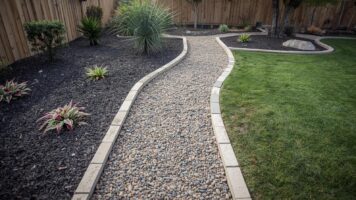
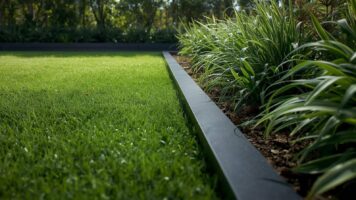

A block retaining wall needs more than just concrete blocks to hold up over time. The right combination of cap blocks, geotextile fabric, and drainage aggregates is what keeps it structurally sound for decades.
What Goes Into a Block Retaining Wall?
Building a block retaining wall is one of the most practical landscaping projects a homeowner or tradie can take on. Whether you are levelling a sloped backyard, creating garden terraces, or reinforcing a driveway edge, the materials you choose determine how long that wall actually lasts.

Most people focus on the blocks themselves — and understandably so. However, a block retaining wall is a system, not just a stack of concrete. Therefore, understanding every layer of that system, from the foundation aggregate to the cap blocks on top, is the first step toward a wall that performs well and looks great for years to come.
In the sections below, we break down each material category, explain why it matters, and share what to look for when sourcing supplies locally.
Choosing the Right Retaining Wall Blocks
The blocks form the visible, structural core of your wall. Consequently, they need to handle significant lateral pressure from the soil behind them while also standing up to weather, moisture, and time.
Concrete retaining wall blocks are the most commonly used option for residential and commercial projects across the Sydney region. They come in a range of sizes, finishes, and profiles — from smooth-faced blocks suited to modern garden designs, to textured or split-face finishes that complement natural landscapes.
Interlocking block systems are particularly popular because they use a setback design, meaning each course steps slightly backward as the wall rises. This built-in lean adds stability without requiring mortar or additional engineering on smaller walls. For walls above a certain height, however, engineering input and appropriate reinforcement become necessary regardless of block type.
When selecting blocks, consider the wall’s total height, the soil and load conditions behind it, and the visual outcome you want. It is also worth confirming that the block system you choose is compatible with matching cap units, which we cover next. Parklea Sand & Soil stocks retaining wall blocks suited to both residential and trade projects across the Hawkesbury and Hills District.
The Role of Cap Blocks
Cap blocks are the finishing course placed along the top of a block retaining wall. While they are often thought of as a decorative touch, they serve an important structural and protective function as well.

First, cap blocks seal the top of the wall against water infiltration. Without them, water seeps directly into hollow cores or between courses, accelerating deterioration over time. Second, they provide a clean, finished edge that defines the boundary between your wall and the landscape above it.
Cap blocks are typically fixed using a construction adhesive or a two-part epoxy compound, depending on the application. For standard residential walls, a good-quality waterproof adhesive is sufficient. For high-traffic or heavily loaded areas, a stronger bonding compound is the better choice.
There are generally two cap styles available — flat-top and bevelled. Flat-top caps suit contemporary, geometric designs, while bevelled caps add a softer edge that works well in garden settings. The choice between them is largely aesthetic, though it is worth confirming that your cap block profile matches the block system below for a consistent, professional finish.
Why Geotextile Fabric Matters More Than You Think
Geotextile fabric is one of the most underestimated materials in a block retaining wall build. Many homeowners skip it to save time or cost, and that decision often leads to premature wall failure.
Here is why it matters: as water moves through the soil behind your wall, it carries fine particles along with it. Without a geotextile membrane in place, those particles gradually migrate into the drainage aggregate layer. Over time, this process — known as soil migration — clogs the drainage system, causing water pressure to build up behind the wall. That pressure is what pushes walls forward and eventually causes them to collapse.
A geotextile fabric acts as a filter. It allows water to pass freely through the drainage layer while holding the fine soil particles back. Consequently, your aggregate stays clean, your drainage system keeps functioning, and your wall remains stable.
The fabric is installed directly against the retained soil, lining the back of the excavation before the aggregate is placed. It should extend from the base of the wall upward and be folded over the top of the drainage zone before backfilling begins. This straightforward step adds very little time to the build but makes a significant difference to long-term performance.
Selecting the Right Aggregates for Drainage and Backfill
Aggregates play two distinct roles in a block retaining wall: drainage and structural backfill.

For drainage purposes, a clean, single-sized aggregate is needed directly behind the wall. The most commonly used option is 20mm clean crushed rock or blue metal. The key word here is “clean” — washed or screened aggregate with minimal fines allows water to move freely downward toward the drainage pipe at the base. This is what prevents hydrostatic pressure from building up and pushing against your wall.
Behind the drainage zone, general backfill is used to restore the ground level. Road base or compacted gravel is typically appropriate here, and it is important to compact backfill in layers rather than all at once. Compacting in stages reduces the risk of settlement and uneven pressure on the wall over time.
The drainage pipe at the base, usually a perforated ag-pipe, works in combination with the aggregate to redirect water away from the wall. Together, the aggregate, geotextile, and drainage pipe form a complete drainage system — each one depending on the others to function properly. For high-quality drainage aggregate, Parklea Sand & Soil’s natural aggregates range includes the clean crushed rock products suited to retaining wall drainage applications.
For your base preparation, bedding sand is also commonly used beneath the first course of blocks. Parklea Sand & Soil’s sand range includes suitable options for this purpose.
How These Materials Work Together
Understanding each material individually is useful, but the real value comes from seeing how they connect as a system.
The blocks provide structure and retain the soil load. The cap blocks protect the top of the wall and provide a clean finish. The geotextile fabric keeps the drainage zone free of fine particles. The aggregate allows water to drain rapidly away from the wall face. The drainage pipe at the base carries that water to a safe outlet point.
Remove any one of these components and the system becomes less effective. A wall with great blocks but no geotextile will clog and eventually fail. A wall with good drainage but no cap blocks will allow water ingress from the top, undermining the structure from within.
This is why sourcing all materials together — ideally from a single supplier who understands how they work as a system — makes the planning and building process significantly easier. For drainage pipes and supplementary materials, the drainage and irrigation products range at Parklea Sand & Soil covers ag-pipe and related components.
Ready to Build? Get Your Materials Locally
Talk to the Team at Parklea Sand & Soil
Whether you are planning a small garden wall or a larger retaining structure, getting the right materials from a trusted local supplier saves time, money, and a lot of headaches down the track. Parklea Sand & Soil has been supplying homeowners and tradies across the Hawkesbury, Hills District, Blacktown, and surrounding suburbs since 1988.

We stock retaining wall blocks, drainage aggregates, sands, cement products, and everything in between — available for pickup from our South Windsor yard or delivered by bulk haulage to your site.
Call us on (02) 4572 7549, visit us at 729 George St, South Windsor, or get in touch online to discuss your project and get a quote today.
Frequently Asked Questions
What type of blocks are best for a retaining wall?
Concrete interlocking blocks are the most popular choice for residential retaining walls. They are durable, weather-resistant, and available in a range of finishes to suit different garden styles. The best block for your project depends on wall height, soil conditions, and the look you want to achieve.
Do I need geotextile fabric for a retaining wall?
Yes — geotextile fabric is strongly recommended for any block retaining wall. It acts as a filter, preventing fine soil particles from clogging the drainage aggregate behind the wall. Without it, drainage systems fail over time, water pressure builds up, and wall failure becomes far more likely.
What aggregate should I use behind a retaining wall?
A clean, single-sized crushed rock aggregate — typically 20mm — is ideal for the drainage zone directly behind your wall. It allows water to move freely downward toward the drainage pipe. Avoid using soil or mixed aggregate in this zone, as fine particles will block drainage over time.
What is the purpose of cap blocks on a retaining wall?
Cap blocks protect the top of the wall from water infiltration and provide a clean, finished edge. They are fixed with construction adhesive or a two-part epoxy depending on the application and load requirements.
Can I source all retaining wall materials from one supplier?
Yes, and doing so is highly recommended. Sourcing blocks, aggregates, sands, drainage products, and cap blocks from a single local supplier ensures material compatibility and simplifies logistics. Parklea Sand & Soil supplies all key materials, with pickup from South Windsor or bulk delivery across the Hawkesbury and Hills District.